
Human Rights Compliance
Human Rights Due Diligence
Human Rights Mission
The Company conducts business by respecting human rights principles according to international practices, including the Universal Declaration of Human Rights (UDHR), the United Nations Guiding Principles on Business and Human Rights (UNGPs), and International Labour Organization (ILO) standards, with commitment to support respect for human rights, transparency, and non-discrimination.
The Company has established a comprehensive human rights policy aligned with international standards, with annual policy reviews to ensure it reflects changing contexts and challenges.
Furthermore, the Company has implemented Human Rights Due Diligence (HRDD) practices meticulously, reviewing key human rights issues covering all stakeholder groups, both internal and external, with stakeholders potentially affected by operations being identified.
Human Rights Due Diligence (HRDD) Practices
Impact and Risk Assessment
The Company identifies and prioritizes human rights issues that may be affected by the organization, with emphasis on vulnerable groups (children, women, disabled persons, ethnic minorities, elderly) and classifies risks into 5 levels.
Implementation and Integration
The Company establishes preventive measures and remediation plans for human rights impacts systematically, thoroughly, comprehensively, and targeted to specific groups.
Monitoring and Evaluation
The Company systematically monitors and evaluates human rights impacts, using monitoring results to improve relevant measures and policies.
Disclosure and Transparency
The Company discloses human rights operations to all stakeholder groups through various communication channels consistently.
Grievance Mechanism
The Company provides complaint channels and has systematic, transparent, and fair complaint handling processes.
Human Rights Risk Levels
Most Severe
Causes damage to vulnerable groups or organizations broadly, with long recovery periods or irrecoverable
Severe
Causes financial, safety, reputation damage to organization/individuals, leading to external legal proceedings, with multi-year recovery
Moderate
Damage with disciplinary consequences, recoverable within 1-12 months
Low Risk
Manageable under normal supervision or within team/department, recoverable within 1 month
Very Low
Can be handled and managed through normal methods and resource allocation within department, can continue without business impact
Complaint Channels
Complaint Handling Process
- 1Complaint Management
- 2Verification and Screening
- 3Conditions for complaints or exceptions to human rights policy criteria
- 4Investigation
- 5Analysis and results for all operational parties through HR (for employee cases) or Procurement (for supplier cases)
- 6Evaluation and Review
Welfare Committee Participation
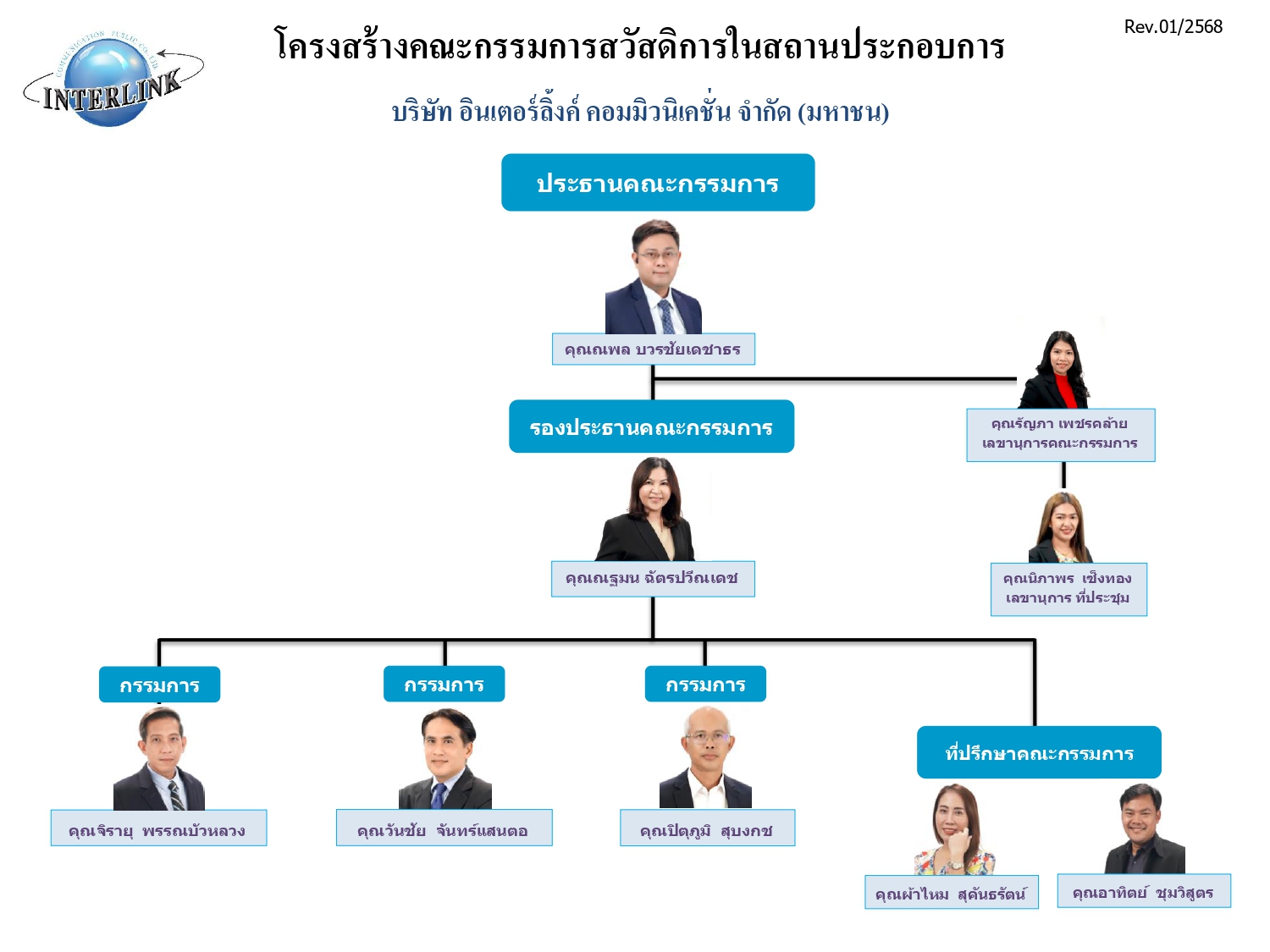
The Company establishes a welfare committee as required by law, consisting of representatives from both employer and employee sides, serving to provide consultation, recommendations, and jointly monitor welfare provision in accordance with legal requirements and organizational standards, including serving as a mechanism for listening to employee opinions regarding welfare development in the workplace.